📝 Optimized Inspection Services — Blog
What Does a Home Inspector Look For?
By Bryan D. Mize, CMI · Published 2026-04-01 · Optimized Inspection Services, LLC
By Bryan D. Mize, CMI · Published 2026-04-01 · Optimized Inspection Services, LLC
A home inspector examines the roof, foundation, structure, electrical system, plumbing, HVAC, crawlspace, attic, and all interior and exterior components of a property. The goal is to identify defects, safety issues, and deferred maintenance before purchase — giving buyers complete information about what they are buying.
A comprehensive home inspection covers every major system and component of a property. Here is a breakdown of what a certified home inspector evaluates during a standard inspection:
The inspector examines the roofing material, flashing around chimneys and vents, gutters and downspouts, drainage, and any visible signs of damage or wear. The goal is to determine the current condition and estimate the remaining useful life of the roof system.
In the Pacific Northwest — and particularly in Kitsap County's marine climate — roofs are subject to significant moisture and moss growth. This is one of the most critical components of any inspection in this region.
The inspector looks for evidence of settling, cracking, moisture intrusion, and structural movement in the foundation walls, floor framing, and load-bearing elements of the home.
A thorough inspector gets into the crawlspace — not just looks in from the access point. The crawlspace inspection covers vapor barriers, insulation condition, moisture levels, evidence of pests, and the condition of floor framing and support posts.
Many inspectors skip or minimize this area. Bryan D. Mize, CMI suits up and gets in — every time. The crawlspace is where serious problems hide.
The attic inspection covers insulation levels and condition, ventilation adequacy, roof sheathing, and any evidence of leaks, mold, or pest activity. In older homes, the attic may also reveal wiring concerns or knob-and-tube electrical systems.
The inspector evaluates the main electrical panel, subpanels, visible wiring, outlets, switches, and GFCI protection in bathrooms, kitchens, and exterior locations. Common findings include outdated panels (Federal Pacific, Zinsco), aluminum wiring, and improperly wired outlets.
All accessible supply lines, drain lines, the water heater, and plumbing fixtures are evaluated. The inspector checks for leaks, water pressure, proper function, and the condition and material of pipes. Galvanized plumbing — common in Kitsap County homes built before 1970 — is frequently flagged for age and reduced flow capacity.
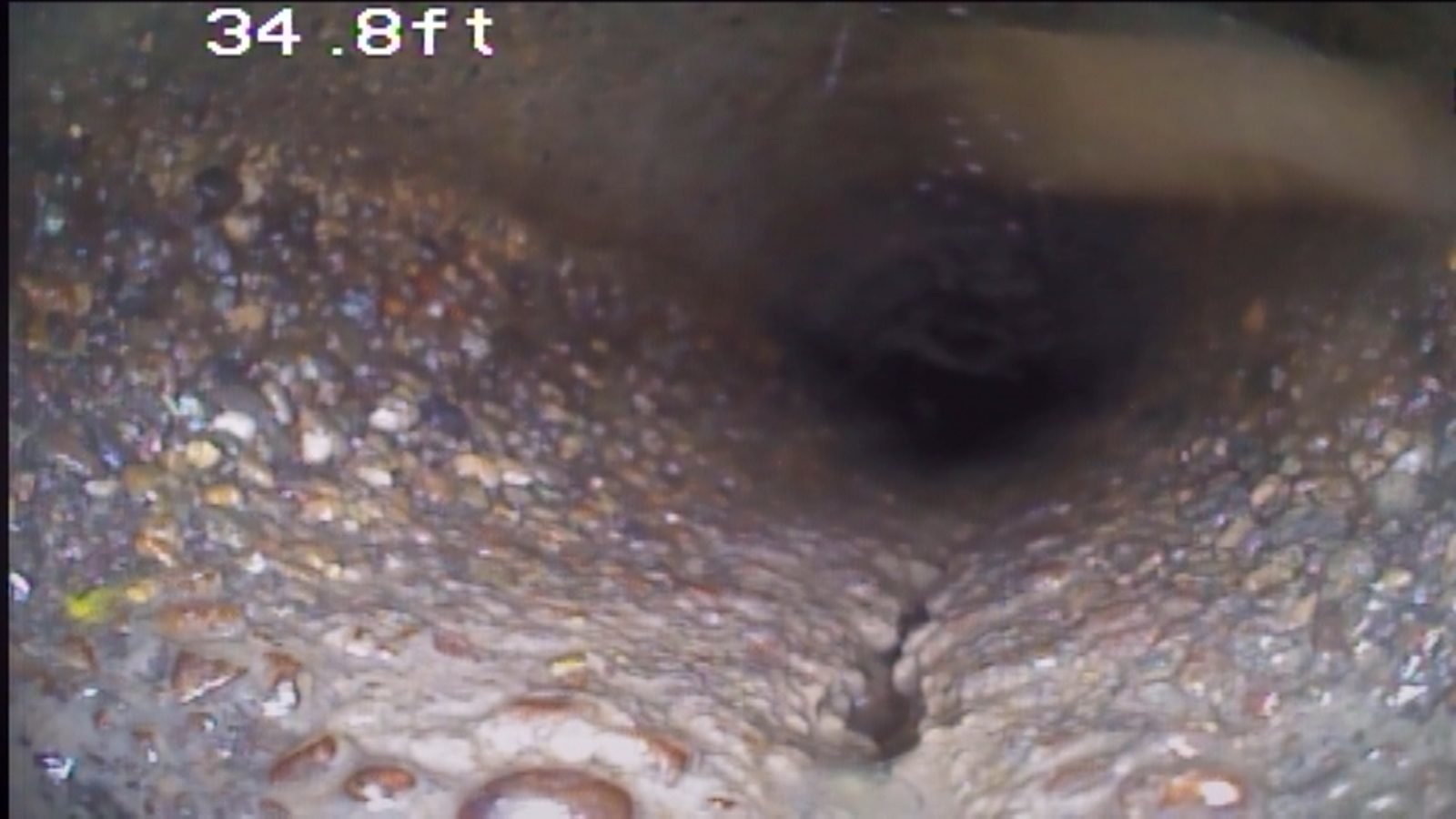
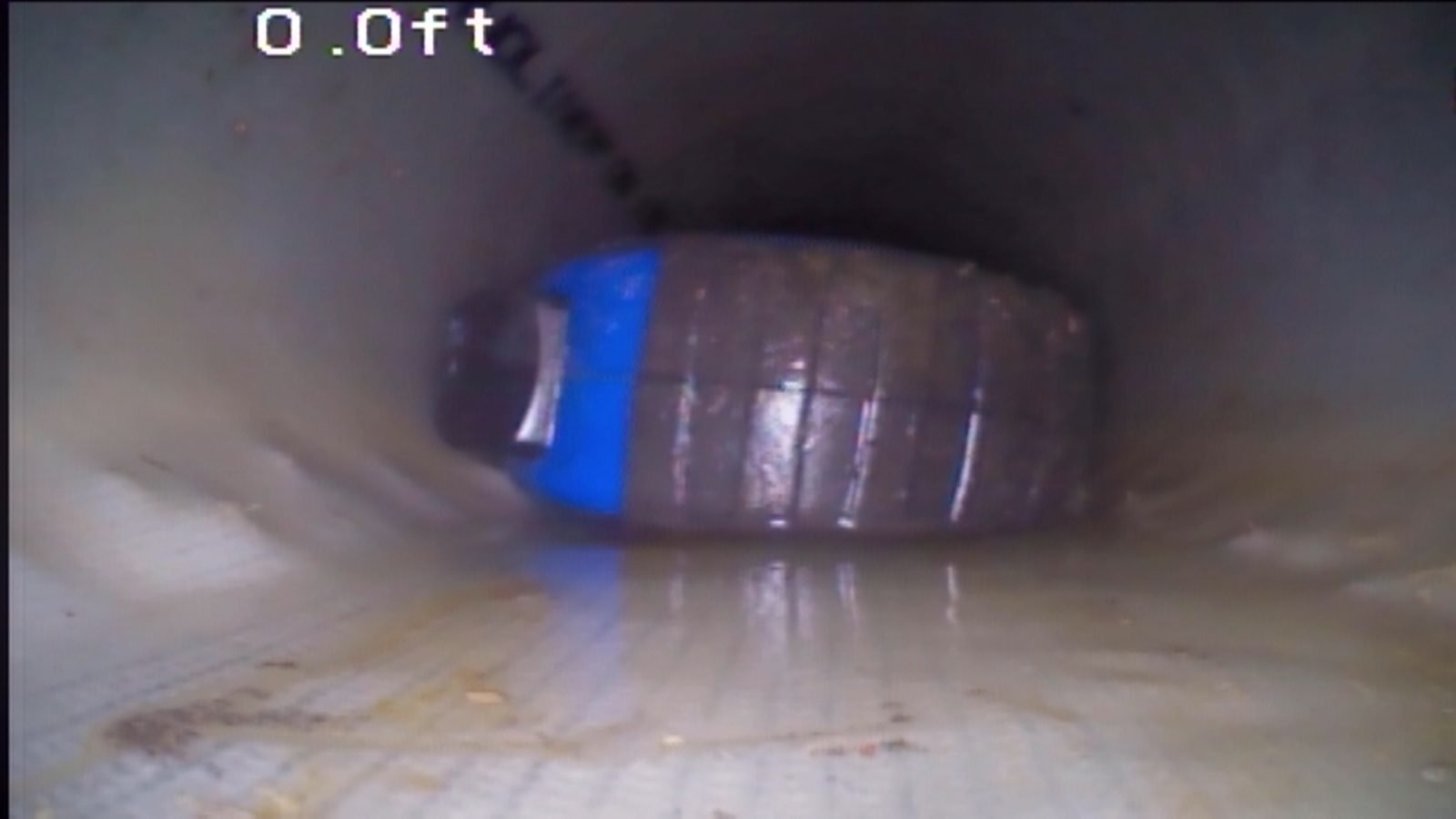
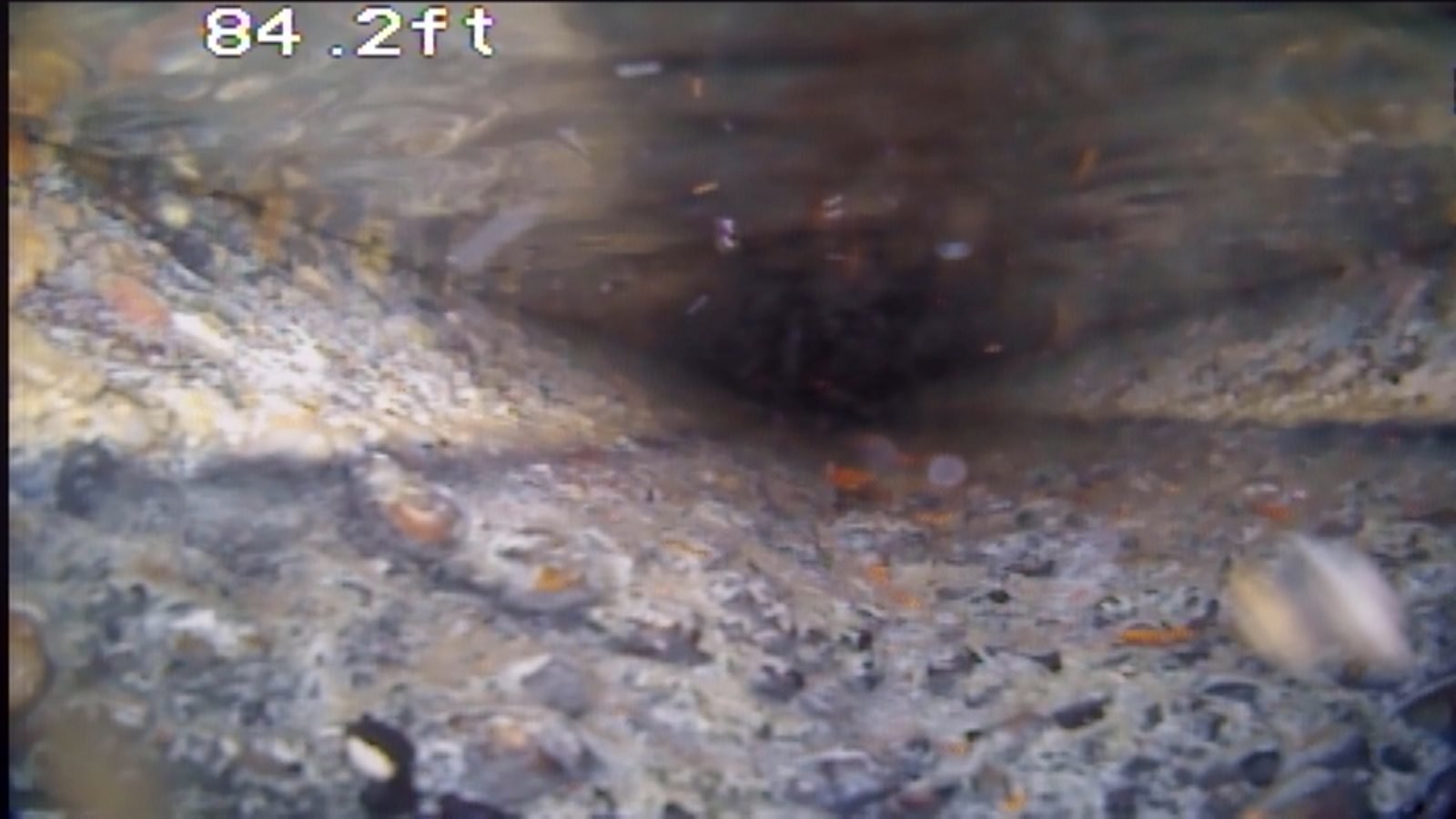
Sewer scope images captured during real inspections. A sewer scope is one of the highest-value add-ons to any home inspection — particularly in Kitsap County where older clay and concrete sewer lines are common.
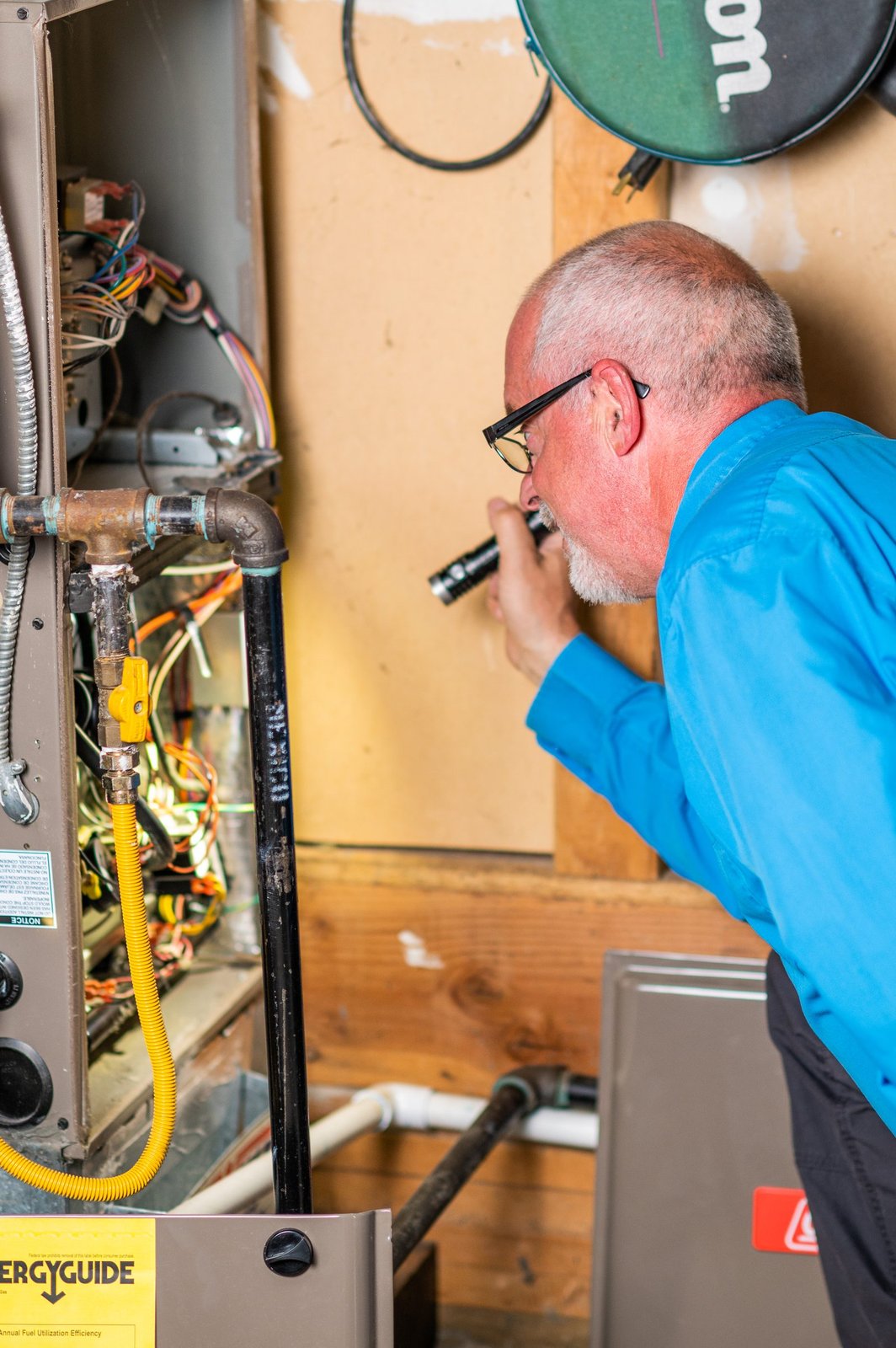
Heating and cooling equipment is operated and evaluated for function, condition, and approximate remaining life. Filters, ductwork, and combustion safety (for gas systems) are also reviewed.
The exterior inspection covers siding, windows, doors, decks, patios, walkways, driveways, grading, and drainage. Proper grading away from the foundation is particularly important in Kitsap County where annual rainfall is high.
Every room is evaluated — walls, ceilings, floors, doors, and windows. The inspector looks for evidence of moisture, structural movement, and deferred maintenance throughout the living spaces.
It is equally important to understand the limits of a standard home inspection:
A typical single-family home inspection takes 2.5 to 4 hours depending on the size and age of the property. Older homes, larger homes, and homes with complex systems take longer. Bryan D. Mize does not rush — thoroughness is the priority, not speed.
Optimized Inspection Services delivers detailed written reports with photographs within 24 hours of the inspection — typically the same evening. Reports are color-coded for easy review: blue for maintenance items, red for concerns requiring attention.
You are welcome to attend — and encouraged to. Walking through the property with the inspector is the best way to understand the findings, ask questions, and leave with a complete picture of the home. Many clients find the walkthrough as valuable as the written report itself.
The most critical issues are those affecting safety and structural integrity — including electrical hazards, evidence of significant moisture intrusion or mold, foundation concerns, and major roof failures. These are the findings that most directly affect a buyer's decision and negotiation position.
Home inspection fees in Kitsap County start at $400 for condos and $500 for single-family homes, with adjustments for square footage above 1,600 sq ft, homes over 75 years old, detached structures, and travel beyond 20 miles. Call or text us for a specific quote, or view the full pricing matrix on our inspections page.
CMI stands for Certified Master Inspector — the highest designation available from InterNACHI, the largest inspection association in the world. It is the inspection industry's top professional designation. It requires extensive documented experience, completed inspections, and ongoing continuing education.
Yes. New construction inspections regularly uncover installation errors, missing insulation, grading and drainage issues, and construction defects that should be corrected before you take possession. Builder inspections by city or county inspectors are not the same as a thorough independent home inspection.
CMI-certified home inspections in Kitsap County and Greater Seattle.